Your Digital Storytelling Project®2 LLC
Healthcare Technical Consulting in the Digital Age
Using Filmmaking, Storytelling & Technology Without Crossing the Line Into Therapy
Interested in using filmmaking, digital storytelling, virtual reality, or AI in your work—but unsure where creative practice ends and therapy begins?
Through Your Digital Storytelling Project, I provide education, coaching, and technology support for therapists, filmmakers, storytellers, educators, peer specialists, and other professionals exploring the intersection of creativity, mental health, and technology.
My work is informed by more than two decades of research and practice in media psychology, Film/Video-Based Therapy®, digital storytelling, trauma, post-traumatic growth, and emerging technologies.
Questions About Your Project?
Where is the boundary between filmmaking and therapy?
Can filmmakers and storytellers work with mental health themes without
providing psychotherapy?
When should a licensed mental health professional become involved?
How might VR, AI, video, or digital storytelling fit into your project?
What technology should you actually use—and how do you make it work?
You don't have to figure out these questions alone.
Join the Skool Community
The Post-Traumatic Growth and Film/Video-Based Therapy® Skool community is a place to learn, ask questions, explore ideas, and better understand the responsible intersection of storytelling, technology, mental health, and post-traumatic growth.
Rather than trying to turn filmmakers into therapists—or therapists into filmmakers—the goal is to help you understand how your existing skills can fit appropriately into this growing field.
- Ask questions about filmmaking and digital storytelling
- Explore the boundaries between creative work and therapy
- Learn about VR, AI, video, and emerging technology
- Discuss ideas for programs, research, and creative projects
- Explore post-traumatic growth and storytelling
- Learn when collaboration with other professionals may be appropriate
I'm Also a Technology Advocate for Therapists
Therapists are increasingly being asked to understand telehealth, artificial intelligence, virtual reality, video production, digital storytelling, websites, online communities, and other technologies that may never have been part of their clinical training.
That's where I can help.
As a technology advocate for therapists, I can help you understand unfamiliar technology, evaluate potential tools, communicate with technology professionals, and identify the questions you should be asking before incorporating new technology into your work.
You remain the expert in your clinical practice. My role is to help make the technology understandable so that you can make informed professional decisions about how—or whether—to use it.
Have a Specific Project? Get Individual Coaching.
Maybe you're developing a digital storytelling program. Maybe you want to experiment with VR or AI. Maybe you're a filmmaker working with sensitive stories. Or perhaps you're a therapist who has an idea but isn't sure which technology can make it happen.
Individual coaching gives us an opportunity to look at your particular project and explore the technology, collaborators, professional boundaries, and practical next steps that may help you move forward.
Ready to Learn More?
Start by joining the Skool community. Ask questions, explore the resources, and learn more about how filmmaking, storytelling, psychology, and emerging technology can work together responsibly.
Join the Skool CommunityNeed more information first? Schedule a free consultation to discuss your questions and learn about individual coaching.
Coaching, education, technology advocacy, and community activities are educational and consultative services and are not psychotherapy, legal advice, or a substitute for services from an appropriately licensed professional. Clinical services and psychological assessments should be provided by appropriately qualified professionals when required.
Technology, Storytelling & Coaching — Without Crossing the Line Into Therapy
As a media psychologist, author, educator, and technology advocate, I help therapists, filmmakers, storytellers, peer specialists, and other professionals explore the intersection of filmmaking, digital storytelling, virtual reality, AI, and mental health.
Technology is changing quickly. Therapists may have questions about tools they were never trained to use. Filmmakers and storytellers may want to work with mental health, trauma, or personal stories — but wonder when a creative project begins to cross the line into therapy.
Questions About Your Project?
Where is the boundary between filmmaking and therapy?
Can you use storytelling without providing psychotherapy?
When should a licensed clinician become involved?
How can VR, AI, video, or digital storytelling fit into your work?
What technology should you actually use?
These are the kinds of questions we explore through Your Digital Storytelling Project, the Skool community, and individual coaching.
Join the Skool Community
You don't have to figure everything out on your own. The community is a place to ask questions, learn, share ideas, and explore possibilities involving storytelling, mental health, and emerging technology.
- 🎬 Filmmaking & Digital Storytelling — explore creative approaches while learning about the distinction between storytelling and psychotherapy.
- 🥽 Virtual Reality & Emerging Technology — explore how VR and immersive media may fit into mental health, education, and storytelling projects.
- 🤖 AI & Technology for Therapists — understand emerging tools without having to become a technology expert.
- 🧠 Film/Video-Based Therapy® & Post-Traumatic Growth — explore the research, books, and ideas behind the work.
- 🤝 Collaboration & Professional Boundaries — explore when filmmakers, therapists, social workers, peer specialists, researchers, and technology professionals may need to work together.
A Technology Advocate for Therapists
Therapists are increasingly expected to understand telehealth, artificial intelligence, virtual reality, video production, digital storytelling, websites, online communities, and other technologies that may never have been part of their clinical training.
I can help make that technology easier to understand.
You remain the expert in your clinical practice. My role as a technology advocate is to help you understand unfamiliar technology, evaluate possible tools, communicate with technology professionals, and identify the questions you should be asking before incorporating technology into your work.
Have a Specific Project? Get Individual Coaching.
Maybe you're developing a digital storytelling program. Maybe you're exploring VR or AI. Maybe you're a filmmaker working with sensitive stories. Or perhaps you're a therapist with an idea but aren't sure which technology can make it happen.
Individual coaching gives us an opportunity to explore your specific project and consider the technology, collaborators, professional boundaries, and practical next steps that may help move your idea forward.
How I Can Help
- ✔️ Explore appropriate boundaries between filmmaking, storytelling, and therapy
- ✔️ Help therapists understand VR, AI, video, and emerging technologies
- ✔️ Brainstorm digital storytelling and media projects
- ✔️ Help identify technology and potential collaborators
- ✔️ Translate technical concepts into language that makes sense to clinicians and creatives
- ✔️ Provide individual coaching for developing ideas into practical projects
Not Sure Where to Begin?
Join the Skool community to learn more and ask questions, or schedule a free consultation to discuss your project and learn whether individual coaching may be right for you.
Join the Skool Community Ask About Individual CoachingCoaching, education, technology advocacy, and community activities are educational and consultative services and are not psychotherapy, legal advice, or a substitute for services from an appropriately licensed professional. Clinical services and psychological assessments should be provided by appropriately qualified professionals when required.
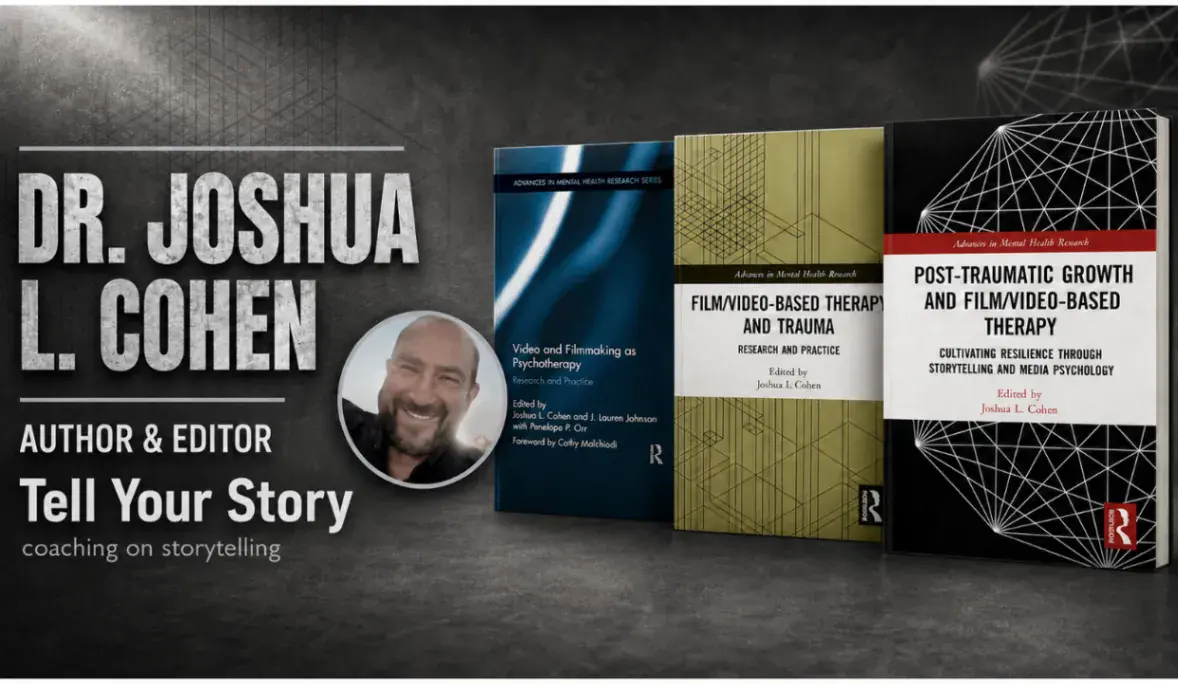
Dr. Joshua Lee Cohen is a Media Psychologist, editor, and founder of Film/Video-Based Therapy. Dr. Cohen grew up in Phoenix, AZ. He graduated from Colorado College (CC) with a degree in film and anthropology, where he wrote his thesis on using films as part of a healing process. While at CC, he hosted a seminar for Gary Solomon on Cinematherapy and interviewed filmmakers for his thesis, including Emmy-winning filmmaker Doug Pray, actor Eb Lottimer, writer/producer Neal Baer (writer for ER and showrunner for Law & Order: SVU), award-winning director Andrew Mudge, and director Marc Webb, Golden Globe winner and CC graduate, best known for The Amazing Spider-Man and 500 Days of Summer. While filming a documentary based on his thesis, Dr. Cohen’s unofficial film/video background, which began in childhood, developed further. His internship at KRDO, an ABC affiliate in Colorado Springs, in 1997 helped establish his professional skills and experience with film, as well as its connection to psychology. In the following years, other experiences with film also contributed to his psychological lens for looking at cinema.
While at CC, he also worked on Strangeland with Dee Snider from the band Twisted Sister. He later trained at Video Symphony, a professional editing facility in Burbank in the early 2000s, where he studied Avid and Final Cut Pro. After working on student films and training, Dr. Cohen collaborated with Emmy-winning filmmaker Doug Pray on a short video about the Dalai Lama and technology in 2001, which was shown at the Los Angeles Final Cut Pro User Group (LAFCPUG) on October 22, 2003. Around this time, he met Martin Cohen from DreamWorks, who introduced him to Patrick Swayze and Lisa Niemi. He then worked as an assistant (uncredited) on their film One Last Dance (originally titled Without a Word).
Further work in Hollywood included contributions (uncredited) to Elaine Mae Woo’s Anna May Wong: Frosted Yellow Willows – Her Life, Times, and Legend; projects with Karen Grosso for the Ronald McDonald House, including a film on Camp Good Times, a video about the camp for kids with cancer; and work for Andrew Van Slee at Extraordinary Films, where he raised money and assisted John Rosenberg with editing for Net Games and Totally Blonde.
In 2009, Dr. Cohen began his practicum for his doctoral program at Tarzana Treatment Center (TTC), an APPIC-approved internship site, and completed additional practicum hours and internship training at Families in New Directions, a community-mental-health, CAPIC-approved internship site in California. That same year, Dr. Cohen was supervised by Dr. James Hillman, the author of Re-Visioning Psychology and a Pulitzer Prize nominee.
In 2012, Dr. Cohen earned his Ph.D. in Clinical Psychology from Pacifica Graduate Institute, home of the Joseph Campbell Library Archives. His dissertation focused on the use of video and film-based therapy in clinical practice. He continues to publish books on Film/Video-Based Therapy that are held in libraries worldwide and available in major bookstores, including Barnes & Noble and Amazon.
– IMDb mini biography by: Chris Mortensen
.
Using The Process of Filmmaking/Video Production to help you unblock your complications in life
using Film/Video-Based Therapy® Research and Corporate Storytelling to get Grants
Corporate Storytelling using Film/Video-Based Therapy Research to help filmmakers and business get funding for their projects
What is Film/Video Based Therapy?
What is Film/Video-Based Therapy?
Film/Video-Based Therapy (FVBT) uses movies and media as tools for healing and growth. It combines two main approaches: watching films for emotional insight (cinema therapy) and creating films to tell your own story (therapeutic filmmaking).
Why It Works
- ✅ Helps people see themselves in characters (identification)
- ✅ Releases emotions in a safe way (catharsis)
- ✅ Sparks new understanding (insight)
- ✅ Reduces loneliness (universalization)
- ✅ Encourages self-expression and healing through storytelling
Who Benefits
FVBT supports:
- 🎥 Adults and kids healing from trauma
- 🎥 People with anxiety, depression, schizophrenia, autism, and bipolar disorder
- 🎥 Veterans, students, and chronic pain patients
- 🎥 Anyone seeking emotional growth and resilience
Ethics Matter
Therapists using FVBT follow strong ethical standards, including informed consent and protecting clients’ privacy and well-being. Care is taken when sharing or editing film content, especially with vulnerable groups.
What's Next?
As technology advances, FVBT is growing—with uses in virtual reality, social work, education, and peer support. More research, training, and community-building will help make this healing method accessible worldwide.
Ready to learn more? Reach out and join the movement to heal through storytelling.
Dr. Cohen’s Professional Consulting Profile and how he can help your company
Clinical Psychology Expertise
- Extensive experience in clinical psychology practices.
- Proficient in delivering patient-centered care and therapy.
Media Psychology Specialization
- In-depth knowledge of media psychology principles.
- Experience in applying media psychology in therapeutic settings.
Digital Storytelling and Content Creation
- Skilled in creating engaging digital stories for diverse audiences.
- Expertise in using storytelling for therapeutic and educational purposes.
Technology Integration in Mental Health
- Pioneering the use of technology in mental health interventions.
- Experience with virtual reality and digital platforms in therapy.
Healthcare Technology Consulting
- Consulting roles in healthcare technology startups like LaughMD and Neurotree.io.
- Advising on the integration of technology in healthcare services.
Research and Innovation
- Background in academic and corporate research.
- Focus on the impact of media on mental health and wellness.
Educational and Public Speaking Experience
- Extensive experience in teaching and delivering public talks.
- Expertise in media psychology, digital health, and related fields.
Wellness Program Development
- Designing and implementing comprehensive wellness programs.
- Incorporating media psychology and digital storytelling into wellness initiatives.
How can it be used?
Film/Video-Based Therapeutic Approaches
- Expertise in integrating film and video into therapeutic practices.
Virtual Reality in Therapy
- Utilizing virtual reality technologies for therapeutic purposes.
Trauma and Resilience Building
- Specializing in methods for building resilience against trauma using film/video.
Neurocinematics in Trauma Therapy
- Applying neurocinematic techniques in trauma therapy for enhanced outcomes.
Psychotherapeutic Videogames Creation
- Designing videogames with psychotherapeutic objectives.
Breast Cancer: A Personal Journey
- Insights into dealing with breast cancer through personal narratives.
Digital Narratives in Cancer Therapy
- Creating digital cancer narratives for adolescent and young adult patients.
Trauma-Informed Drama Therapy
- Implementing drama therapy techniques in trauma-related cases.
The Therapeutic Power of Storytelling
- Harnessing the power of video storytelling in healing processes.
Holocaust Trauma and Therapy
- Addressing Holocaust-related trauma through therapeutic techniques.
Video Movie Therapy (VMT)
- Expertise in VMT for psychotherapeutic interventions.
Integrating Gestalt, Psychoanalysis, and Holism in Video Art Therapy
- Combining various psychological approaches in video art therapy.
Documentary Filmmaking in Drama Therapy
- The use of documentary filmmaking as a medium in drama therapy.
Childhood Sexual Abuse: Therapeutic Documentary Production
- Producing documentaries as a therapeutic process for childhood sexual abuse survivors.
Ethical Considerations in Film- and Video-Based Therapies
- Understanding and addressing ethical issues in film/video-based therapies.
Green Screen Technology in Psychotherapy
- Innovative use of green screen technology for psychotherapeutic purposes.
First Nations Communities: Therapeutic Filmmaking
- Specialized approaches to therapeutic filmmaking within First Nations communities.
Grief and Loss Programs for Children and Adolescents
- Using technology in grief and loss programs targeting younger demographics.
Domestic Violence: Trauma Narrative Interventions
- Implementing digital storytelling as an intervention for children exposed to domestic violence.
Digital Interventions for Special Populations
- Tailoring digital video interventions for special population groups.
Social Wellness Through Digital Storytelling
- Enhancing social wellness using digital storytelling methods.
Art Therapy and Activism Through Video
- Combining art therapy with activism in a video format.
Digital Video Production for Veterans
- Addressing the needs of veterans through digital video production.
Green Screen in Traditional Art Therapy
- Expanding the scope of traditional art therapy with green screen technology.
Combining Art Therapy with Psychodynamic Theory
- Merging art therapy practices with psychodynamic theories, particularly in youth care.
.
Dr. Cohen will harness the potential of film and video-based therapy in conjunction with cutting-edge technology to engage in consultations with you, just as he has successfully done with the following companies:
About Your Digital Storytelling Project 2 LLC
Business Name: Your Digital Storytelling Project 2 LLC
Business Type: Limited Liability Company (LLC)
Business Address: 2436 E 4th St #10, Long Beach, CA 90814
Contact Information:
- Email: drjoshcohen@filmandvideobasedtherapy.com
- Phone: 213-267-2416
- Schedule a Consultation: Calendly Link
Date of Establishment: October 2015
Mission Statement At Your Digital Storytelling Project LLC, our mission is to consult with businesses and individuals to help serve the community by harnessing the power of storytelling and art for healing. We are dedicated to fostering connection, resilience, and growth through the creative and therapeutic use of digital media.
Products or Services Offered Consulting services
Target Audience or Customer Base Our services cater to a diverse range of clients, including:
- Hospitals
- Individuals dealing with chronic pain
- App developers and technology professionals
- Artists
- Individuals seeking support for mental health challenges in the post-COVID era
Key Achievements or Milestones
- Collaborated on therapeutic advertising for an interfaith musical
- Successfully introduced and supported multiple companies in revenue generation
- Contributed to national and global efforts during times of crisis
- Aided veterans with PTSD in publishing books on trauma and film/video-based therapy, including virtual reality applications
Company Values and Culture Your Digital Storytelling Project LLC is built on ethical values emphasizing transparency, effective communication, and collaboration. We operate as part of a larger continuum of companies, partnering with various organizations to deliver our services.
Leadership As the CEO of Your Digital Storytelling Project LLC, I take the lead in the development and execution of projects related to film and video-based therapy. I also collaborate with authors as an editor, contributing to our collective goal of promoting healing and growth through storytelling.
Business Goals and Vision for the Future Our vision for the future includes:
- Creating more books focused on film/video-based therapy and post-traumatic growth
- Authoring a memoir to share our journey and experiences
- Continuing to serve the global community of therapists who aspire to incorporate storytelling into their practice, thereby enhancing the well-being of individuals and communities worldwide.
How Film/Video Therapy Techniques Are Revolutionizing Corporate Storytelling
film/video therapy and corporate storytelling! This unique blend is transforming how businesses communicate, connect, and inspire both their customers and employees.
1. The Cinematic Edge in Corporate Narratives: Inspired by film and video-based therapy, corporate storytelling is now about creating an immersive experience, much like a captivating movie. These narratives go beyond the basic conveyance of a company’s values and mission. They are designed to strike a chord, evoke emotions, and build a profound connection with the audience.
2. Goals of Film-Inspired Storytelling in Business:
- Humanizing the Brand: Just as a documentary or film portrays relatable human experiences, corporate stories are now crafted to make companies more approachable and genuine.
- Enhancing Customer Loyalty: Using the emotive power of stories, much like in film therapy, to create lasting bonds with customers.
- Attracting and Retaining Talent: Narratives that resonate with potential employees, drawing them to a workplace that shares their values.
- Communicating Core Values: Sharing the essence of a company in a compelling way, ensuring everyone is on the same page.
- Standing Out in the Market: Unique, cinematic narratives that differentiate a company from its competitors.
3. The Science Behind the Storytelling: Here, we could delve into how research supports the effectiveness of storytelling, drawing parallels between the memorability of cinematic narratives and corporate storytelling.
4. Internal Benefits of Film/Video Therapy-Inspired Storytelling:
- Building Company Culture: Stories help employees connect with the company’s ethos.
- Inspiration and Motivation: Employee-centric stories that drive engagement and pride.
- Strengthening Team Unity: Using shared narratives to foster a sense of community within the workplace.
- Attracting Top Talent: Showcasing the company as an innovative and narrative-rich environment.
- Fostering Creativity: Encouraging new ideas through stories of innovation.
Film and video-based therapy techniques have brought a new dimension to corporate storytelling. It’s no longer just about brand promotion; it’s about creating a narrative experience that resonates on a deeper level with every audience.
Leveraging Corporate Storytelling in Therapy: A Path to Personal Growth and Grant Funding
In the realm of corporate storytelling, film/video-based therapy stands out as a groundbreaking approach. Not only does it offer therapeutic benefits, but it also plays a crucial role in securing grants through research on film/video-based therapy. Here are someinsights provided by the book “Understanding Corporate Storytelling in Therapy: Film/Video-Based Methods and Grant Acquisition.”
Film/Video-Based Therapy in Corporate Storytelling
- This method transcends traditional film production and digital storytelling using Artificial Intelligence andAi and Virtual Reality, using cinema as a tool for therapeutic insights, consulting and research for grants.
- It is designed to cater to both personal betterment and professional development.
Diverse Therapeutic Techniques
- Content:
- Cinema Therapy: Emotional healing through commercial films.
- Expressive Therapy: Self-expression through arts.
- Narrative Therapy: Storytelling for personal growth.
- Art Therapy: Artistic activities for mental wellness.
- Digital Storytelling: Crafting digital personal narratives.
- Phototherapy: Using photography to initiate conversations.
- Corporate Storytelling: A coaching-based approach, using unique techniques beneficial in therapy.
Therapeutic Filmmaking: Empowerment and Funding Opportunities
- Focusing on clients creating their own films as a therapeutic exercise.
- Encouraging participants to share personal experiences and tackle emotional challenges creatively.
- I teach critical filmmaking skills like scriptwriting, cinematography, and video editing, which aid in therapy and enhance grant acquisition prospects.
Film in Therapy: Pathways to Growth and Grant Acquisition
- We discussed how film/video-based therapy includes film creation and analysis.
- We are highlighting the role of therapeutic filmmaking in personal development.
- I was explaining how these methods are instrumental in securing grants.
Incorporating film and video into corporate storytelling within therapy offers a twofold benefit. It not only aids in personal growth but also serves as an effective tool for grant acquisition, making it a valuable approach for therapists and organizations alike.
- If you would like to go for a grant or use the published work in a book, please contact me
- please read more about Film/Video-based Therapy in the books below
Sample from the book
Part I. Introduction
Film/Video-Based TherapyTM and Virtual Reality
Joshua L. Cohen
Abstract
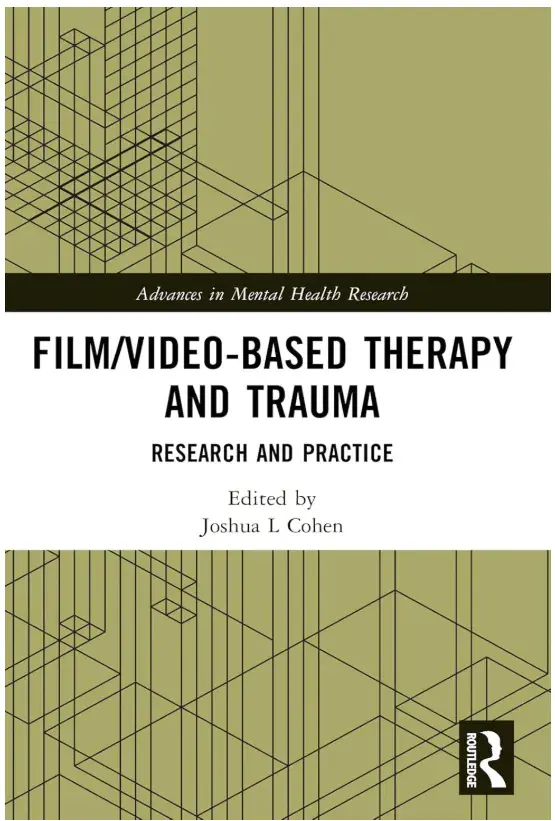
Film/Video-Based TherapyTM and Trauma: Research and Practice involves technology but, in essence, the book’s focus is still about highlighting psychological trauma. As human beings we all face overwhelming situations and events in today’s world that cause distressing triggers. Because people are fragile, Film/Video-Based Therapy™ should involve a licensed therapist. The use of technology should be driven by human potential, empathy, and compassion. The Dalai Lama once said, “If we as human beings become slaves of the technology, this is of course wrong. Human value always remains above.” This chapter will also focus on human potential and not the negative aspects of trauma but rather posttraumatic growth.
So in the Avengers, as in the other Marvel groups, it is the collective forces, rather than the ego-driven solo hero, that provides the redeeming energy for humankind.
(Anslow, 2012, p. 242)
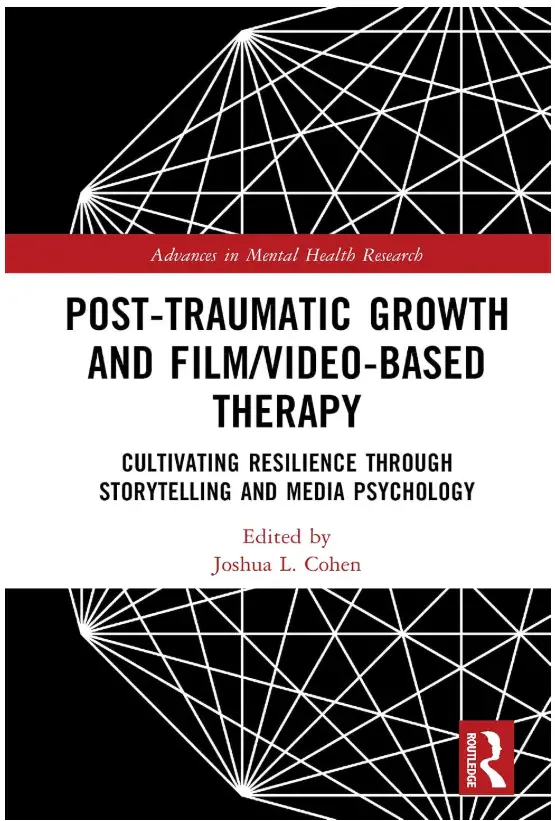
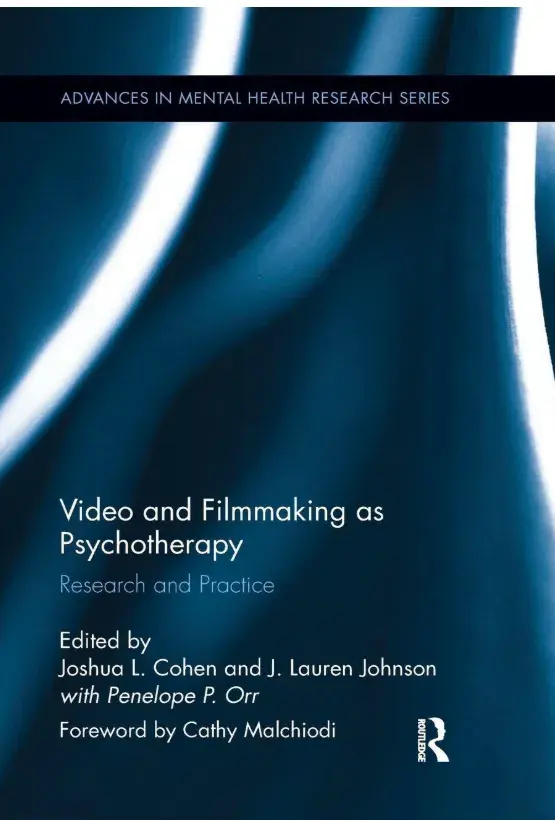
This book uses film/video-based therapy™ to help build resilience in facing personal, communal, national, and global trauma triggers. Reducing trauma can be a challenge in any circumstance and may involve collaboration. Filmmaking is a collaborative process, and similar to the movie, The Avengers, no single person can address global trauma alone. This is an edited book that focuses on collaboration in addressing trauma. We address issues in one’s home, community, country, and the world using integrative medicine and advocacy using film/video-based therapy™ and digital storytelling to address trauma in one’s home, community, government, and the world. This book is designed to be used by the audience of practitioners inthe field and educators in higher education institutions. The previous book, Video and Filmmaking as Psychotherapy: Research and Practice (Cohen, Johnson, & Orr, 2015), introduced film/video-based therapy™ as a new approach to psychotherapy and explored various theoretical backgrounds and approaches as well as ethical dilemmas that might be inherent to its practice in an interdisciplinary way of thinking contrary to more independent thought. The concept of synergy and focus is not unfamiliar to the filmmaker who works with many different art forms. (Cohen, 2022). This second book expands on the topic of the first book; it is about how therapy using film and video can heal both individuals and communities by helping people find their place in a community for both purpose and life energy that motivates and inspires despite the traumatic events one might face.
The world has suffered—and continues to suffer—collective trauma, terrorism, and violence. As a result, mental health professionals, creative art therapists, filmmakers, and activists working as researchers and practitioners are faced with daunting challenges. This book demonstrates how we can use the language of film to watch, process, and discuss images of trauma in therapy, in the home, in the community, and in the world (Cohen et al., 2015).
PSYCHOLOGICAL TRAUMA
Trauma is not just about the experience, not only at the time of the event. It is about one’s subsequent response to triggers, as described by pioneer trauma researchers and practitioners such as Bessel van der Kolk, Peter Levine, and other depth psychologists, and in qualitative and quantitative research. In this book on the topic of digital storytelling as therapy (Film/Video-Based Therapy™) (Cohen, 2022), we build on the work of the first book, Video and Filmmaking as Psychotherapy: Research and Practice (Cohen et al., 2015), which examined film/video-based theory across issues and populations in a general sense.
This book demonstrates those theories in a new way by focusing on posttraumatic growth through media psychology, depth psychology, neuroscience, medicine, and advocacy’s role in using film/video-based therapy™. A psychotherapy client needs to have become aware of all triggers of trauma to help build resilience in the face of overwhelming experiences for the sake of regulating the autonomic nervous system (Cohen et al., 2015).
Film/video-based therapy™ can help a client not only to become aware of those triggers and learn how they can be processed personally, but to become an advocate for change using digital storytelling and by learning how to process triggers in the home, local community, state, country, and the world that may otherwise leave one vulnerable to trauma.
DEFINITION OF FILM/VIDEO-BASED THERAPY™
Film/Video-Based Therapy™ involves making movies with clients. It also draws from several disciplines, including cinema therapy, expressive therapy, narrative therapy, art therapy, digital storytelling, and phototherapy. The making of any film involves a community that requires collaboration to integrate the many dynamic aspects of art and medicine. A collaborative effort was formed around film/video-based therapy™ to demonstrate health in community settings. Film/Video-Based Therapy™ is about making films with clients, in contrast to cinema therapy,™ which involves watching films. I have utilized watching movies and mindfulness in my work. I have also been cited in Tuval-Mashiach and Patton’s clinical trial and participated in peer-reviewed research on the use of video narratives in cancer research. Film/Video-Based TherapyTM is not trademarked for advertising or financial purposes; rather, it is intended to protect the sanctity of the license for mental health professionals and the word “therapy” when used in conjunction with film/video in the United States (Cohen et al., 2015).
SOMATIC EXPERIENCING AND TRAUMA
Somatic Experiencing, in its simplest terms, is more of a mind-body practice than a psychological practice. Somatic Experiencing practitioner Paul Petcheck demonstrated this in an interview in which I allowed him to draw from his cinematic experience editing with directors like Martin Scorsese and Thelma Schoonmaker to explain whether Levine’s idea of SIBAM would work perfectly with film editing. (SIBAM stands for Sensation, Image, Behavior, Affect, and Meaning and will be expanded on throughout the book).
SE is a body-oriented therapeutic model applied in multiple professions and professional settings—psychotherapy, medicine, coaching, teaching, and physical therapy. Trauma impacts physical health, mental health, learning, education, and multiple aspects of an individual’s life. (About – Somatic Experiencing® International [2021, November 9]).
BESSEL VAN DER KOLK AND TRAUMA: THE BODY KEEPS THE SCORE
Bessel van der Kolk’s work, The Body Keeps the Score, was on the number one list of the New York Times’s bestsellers. He is one of the world’s leading experts on traumatic stress. In his book, he explains how psychological trauma influences people as well as how to move beyond it (van der Kolk, 2015).
DR. ALBERT “SKIP” RIZZO: EXPOSURE THERAPY AND VR
In his interview with Brett Leonard about the movie Lawnmower Man, Skip Rizzo explored how VR looked in the future from a 1990s perspective. New films like The Matrix series use the Unreal Engine, not for virtual reality, but the gaming engine. It helps provide for cinematic form in movies (Rizzo, 2021; Wachowski, 2022).
Psychologist Skip Rizzo researches the design, development, and evaluation of virtual reality (VR) systems targeting the areas of clinical assessment, treatment rehabilitation, and resilience. This work spans psychological, cognitive, and motor functioning domains in both healthy and clinical populations. Rizzo, whose work uses virtual reality-based exposure therapy to treat PTSD, holds research professor appointments with the USC Department of Psychiatry and Behavioral Sciences and the USC Davis School of Gerontology (Cognitive Technology; Journal of Computer Animation and Virtual Worlds; Media Psychology) and is the creator of the Virtual Reality Mental Health Email Listserv (VRPSYCH).
THE MANDALORIAN, VIRTUAL FILMMAKING, AND THE UNREAL ENGINE
The unreal engine and Disney and Lucasfilm have designed a gaming engine perfect for film/video-based therapyTM and Patton’s “I Was There” Films workshops (Cohen et al., 2015; Rizzo, 2021).
Disney’s incredible series The Mandalorian used the Unreal Engine for sets. We are also working with Unreal Engine with authors in Canada and Egypt for the second volume of Film/Video-Based Therapy™ and Trauma. The Mandalorian used Unreal for most of the reasons that help with constricting costs and the ability to mix physical props with virtual sets (Gartenberg, 2020). It helps in therapy because of HIPAA and other restrictions for filmmaking in the therapy room.
FILM/VIDEO-BASED THERAPY,™ TRAUMA BACKSTORY, AND CHAPTER SUMMARIES
When I started work on this book, it was 2016, and I was looking at trauma through the lens of psychological problems. At that time, people had survived 9/11, the war in Iraq, and the U.S.’s extended conflict in Afghanistan. All the traumas at that time had to do with terrorism and the military. We didn’t expect a medical crisis. The global coronavirus pandemic forced us to confront the medical issues in our communities as people focused on the health of their families while relatives, friends, and strangers died slowly, and the world shut down. But nothing could prepare us for what happened to mental health in the aftermath of the pandemic. From a mental health perspective, trying to jump-start a system that was already broken was horrifying, challenging, and almost impossible.
While it is a continuation of Video and Filmmaking as Psychotherapy: Research and Practice, this book is centered on the concept of psychological trauma. I chose this topic because of the possibility for inspiration it can foster when associated with post-traumatic growth. Unlike physical trauma, psychological trauma has particular qualities. Whereas physical trauma is about the incident, psychological trauma is unique to the response. Psychological trauma is less about what happened and more about one’s reaction to that. Hence, it leaves room for post-traumatic growth. If you have psychological trauma, you can neither fight nor retreat from a situation. To use an automotive analogy, it’s like simultaneously flooring the gas pedal and slamming on the brakes.
For years I studied Peter Levine’s methods, taking his classes on Somatic Experiencing, but became ill before I could obtain the final credential. COVID-19 interfered with much of the progress I had made. Levine’s work coincided with that of Bessel van der Kolk, who published a New York Times bestselling paperback titled The Body Keeps the Score: Brain, Mind, and Body in the Healing of Trauma (2015). Levine and van der Kolk had collaborated before and supported each other’s work in the past. Although different in method and theory, each upholds the tenet that trauma resides in the body and requires techniques designed to stabilize a person who has undergone a horrendous, life-changing experience.
This book, while it is about technology, is focused on using technology to better explain—in my interpretation through the author’s lens—the concept of the body, its role in processing trauma, and how we deal with trauma to make things better. I originally intended the book’s subtitle to include the words “post-traumatic growth.” As you explore the different chapters, you’ll see that they all overtly or covertly incorporate Peter Levine’s principle of somatic experiencing as well as those of similar theorists. https://yourdigitalstorytellingproject.com/backstory/
Media Psychology and Consulting on Branding
Media psychology is a crucial field for brands aiming to leave their mark in today’s crowded marketplace. It encompasses understanding human behavior in the context of contemporary media consumption, which goes beyond traditional mass media. It’s about engaging emotions, forming identities, and leveraging social connections. Here’s why it matters:
Emotion: Research reveals that people make buying decisions emotionally, prioritizing feelings over logic. Engaging storytelling and value creation are now central to successful marketing.
Identity Formation: Consumers construct their identities through brand choices, connecting with those that mirror their personal preferences and experiences. Understanding this helps target the ideal audience.
Social Identity: Human motivation is strongly influenced by community. Brands succeed when customers associate with the company’s message or other users.
Media psychology benefits your brand in several ways:
Adapting to Technology: In a fast-paced tech world, understanding human behavior helps navigate the ever-changing landscape, from selecting the right social media platforms to optimizing content consumption.
Understanding Wants, Needs, and Actions: Delving into the subconscious reveals why consumers buy and how they relate to brands. This knowledge informs effective customer engagement.
Holding Companies Accountable: Modern consumers actively seek brands that share their values. Companies must uphold integrity, as customers now research and evaluate before committing.
Building Stronger Brands: Creating meaning for customers is paramount. Media psychology helps develop core brand stories and strategies that resonate with customer values.
Addressing Consumer Concerns: In an information-saturated world, psychology-driven strategies reassure customers of the value and customer-centricity of your offerings.
By incorporating media psychology, you not only stand out in a sea of competitors but also create a meaningful connection with your audience, fostering brand loyalty and success in a rapidly evolving digital landscape.
Your Digital Storytelling Project Supports the following authors in the book Film/Video-Based Therapy and Trauma
Therapeutic Advertising®
Therapeutic advertising entails the utilization of film and video-based therapy as a means of corporate storytelling.
Building community and creating impact with Virtual Reality, Film/Video-Based Therapy® and Therapeutic Advertising®
Digital Storytelling: A Vision Board for Manifesting Desires
Digital storytelling doesn't just serve as a therapeutic outlet; it's also a dynamic vision board, channeling the law of attraction. Through this craft, we not only weave narratives but also project our desires, creating a magnetic pull towards the universe to manifest what we fervently believe in.
Guided Self-Exploration, Stress Relief, and Vision Casting
As storytellers weave their tales, they're also casting their aspirations into the universe. By collaborating with therapists and digital media experts, individuals visualize their goals, which act as beacons for the law of attraction, all while deriving therapeutic and stress-reducing benefits.
An Integrative Approach to Mental Wellness and Desire Manifestation
Digital storytelling integrates holistic mental health with the act of manifestation. By encompassing the emotional, mental, and creative aspects, it amplifies the energy sent out to the universe, drawing one’s desires closer.
Emotions, Beliefs, and Law of Attraction in Action
Through the lens of digital media, one's deepest desires, emotions, and beliefs are manifested. This visual representation acts as a powerful magnet, aligned with the law of attraction, turning abstract desires into tangible outcomes.
Redesigning Journeys and Manifesting Dreams
Beyond therapy and stress relief, digital storytelling is about visualizing and manifesting one’s dreams. By retelling stories, individuals not only process their experiences but also embed their aspirations, ensuring they resonate with the universe's energy for manifestation.
Blending Creativity, Therapy, and Universal Laws
Digital storytelling sits at the confluence of creativity, therapy, and the law of attraction. It offers a unique platform where individuals can channel their stresses and amplify their desires, making them manifestable entities that the universe can't ignore.
Conclusion
Digital storytelling is a dynamic tool for self-expression, stress management, and desire manifestation. By intertwining the therapeutic potential of storytelling with digital art and the law of attraction, we offer a fresh perspective on personal growth, aspiration realization, and cosmic alignment. Dive into this world and witness how technology, creativity, and universal laws harmoniously intersect to shape realities.
On Person's Kind Words and Reassurance Could Change Another Person's Life, Which Could Have A Ripple Effect On The World -Joshua Cohen
Services include:
Grant Writing Services
- Grant writing skills
- Ability to craft persuasive grant proposals
- Experience in conducting grant research
- Knowledge of developing comprehensive budgets and evaluation plans
Program Development
- Expertise in film/video-based therapy and post-traumatic growth
- Ability to collaborate with the chronic pain company to enhance treatment programs
- Insights and strategies for incorporating therapeutic storytelling, media-based interventions, or trauma-informed approaches
Research and Evaluation
- Proficiency in designing research studies
- Skills in collecting and analyzing data
- Evaluating the effectiveness of treatment interventions
- Conducting literature reviews
- Developing research protocols and preparing research reports
Content Creation and Education
- Expertise as an academic publishing editor
- Knowledge of film/video-based therapy
- Ability to create written materials, multimedia resources, or video content
- Experience in educating patients, healthcare professionals, and the general public about chronic pain management, trauma-informed care, and post-traumatic growth
Collaborative Projects
- Capability to propose collaborative projects with relevant organizations or research institutions
- Skills in forming partnerships for research studies, joint initiatives, or community outreach programs
- Focus on advancing the understanding and treatment of chronic pain
Consultation and Training
- Knowledge and expertise in film/video-based therapy, trauma-informed care, and post-traumatic growth
- Ability to offer consultation and training services to the chronic pain company's staff and healthcare professionals
- Experience conducting workshops, seminars, or individual training sessions
Advocacy and Public Speaking
- Expertise in advocating for individuals with chronic pain
- Ability to raise awareness about chronic pain experiences
- Skills in offering public speaking engagements, participating in conferences, or contributing to media platforms
- Focus on educating the public, reducing stigma, and promoting effective approaches to chronic pain management
Consulting and Career Counseling for Higher Education
- Expertise in providing career counseling services for individuals seeking higher education
- Knowledge of various educational pathways, programs, and institutions
- Ability to assist in identifying suitable academic and career goals
- Experience in guiding individuals through the college application and admission process
- Providing support in selecting majors, courses, and extracurricular activities
- Offering advice on scholarships, financial aid, and funding opportunities
Academic Publishing Support
- Expertise in academic publishing and manuscript preparation
- Knowledge of the publishing industry and academic journals
- Assistance in manuscript formatting, writing abstracts, and structuring articles
- Guidance on selecting appropriate journals for publication
- Support in navigating the peer-review process
- Tips for enhancing the quality and impact of academic publications
Media Psychology Consulting
Ultimately, our goal is to help individuals harness the power of storytelling and technology to communicate with government agencies that do not talk to one another in order to make long term sustaniable changes to a broken system.
Ultimately, the company aims to help individuals harness the power of storytelling and technology to support appropriate communication between government agencies and businesses that need help communicating to make long-term sustainable changes to a broken system
Chief Executive Officer at Your Digital Storytelling Project™
Location: Long Beach, California, United States
Background
- Research and practice for publication, clinical psychology, film/video editing, and somatic experiencing
- Expertise in depth psychology, clinical psychology, digital storytelling, and somatic experiencing
- Worked with psychological organizations at local and national levels
- Skilled in working with young adults, medicine, cognition, life transitions, and groups comprising licensed professionals
- Author and co-editor of a book published by Routledge
- Ph.D. focused on clinical psychology and depth psychology from Pacifica Graduate Institute
Experience
neuroTree
Media Psychologist & Consultant
May 2023 - Present (2 months)
Los Angeles County, California, United States
Collaborative Services with neuroTree
- Recruiting and screening providers for various services, such as psychological evaluation/diagnostic, psychotherapy, cognitive-behavioral therapy, medication management, occupational therapy, case management, triage, crisis intervention, and treatment plan specialization
- Managing providers' attendance and ensuring quality assurance
- Supporting performance reviews and aiding in the development of referral pipelines beyond California and Arizona
Commitment to Priority Populations
Dr. Cohen recognizes the importance of providing specialty mental health services to priority populations, including those experiencing psychological trauma, addictions, orofacial pain, chronic pain, mental health challenges, disabilities, veterans, faith-based communities, LGBT individuals, housing insecurity, and communities struggling with inequity and social injustice. The parties commit to honoring the priority populations as required by California state law and strive to leverage gained efficiencies, increased reimbursements, and grants to expand and deliver integrated behavioral health services to all individuals benefiting from neuroTree services.
Digital Storytelling fosters deeper learning
Ultimately, the company aims to help individuals harness the power of storytelling and technology to support appropriate communication between government agencies and businesses that need help communicating to make long-term sustainable changes to a broken system
Forword by Cathy Malchiodi
Dr. Cathy A. Malchiodi (born 1953) is an American licensed professional clinical counselor and registered expressive arts therapist. She holds credentials including ATR‑BC, LPCC, LPAT, and REAT
She earned her BFA from Tufts University (1975), MA in art therapy (1980), and a PhD in psychology (2009)
Professional Focus & Achievements
She pioneered trauma-informed expressive arts therapy, combining sensory-based methods, mindfulness, resilience-building, and somatic principles to aid trauma recovery
Director of the Trauma‑Informed Practices & Expressive Arts Therapy Institute, which has trained over 25,000 professionals and delivered hundreds of workshops worldwide
Authored over 20 influential books, such as Trauma and Expressive Arts Therapy: Brain, Body, and Imagination in the Healing Process, Handbook of Art Therapy, and Creative Interventions with Traumatized Children
Foreword by Dr. Albert "Skip" Rizzo
Director of Medical Virtual Reality at the Institute for Creative Technologies, University of Southern California (USC)
Therapeutic Advertising ®
🎓 Academic & Professional Roles
Director of Medical Virtual Reality at USC Institute for Creative Technologies
Research Professor in USC’s Davis School of Gerontology and Keck School of Medicine (Psychiatry & Behavioral Sciences)
Senior editor and editorial board member for leading journals like Presence, CyberPsychology & Behavior, Media Psychology, and more
🧠 Research Focus & Innovations
Pioneers VR-based exposure therapies for PTSD (e.g., Virtual Iraq/Afghanistan system), earning the APA’s 2010 Award for Outstanding Contributions to Trauma Treatment
Develops VR systems for cognitive and motor rehabilitation—covering attention, memory, executive function, stroke recovery, and TBI
Constructs intelligent virtual human agents (“virtual patients”) to train clinicians in diagnostic interviewing and mental health assessments
Extends VR to promote resilience training for military, social and vocational skill development in autism, ADHD, Alzheimer’s, and other conditions
🏅 Awards & Recognitions
APA 2010 Award for trauma treatment contributions mindtricks.podbean.com
Society for Brain Mapping & Therapeutics Pioneer in Medicine Award (2015), Army Modeling & Simulation Award (2014), UNESCO Netexplo Innovation Award, and Satava Award (2012) for medical simulation and innovation USC Today
📚 Scholarly Impact
Over 30000 citations, with an h‑index of ~90 on Google Scholar Google Scholar
Authored 400+ publications spanning VR therapy, cognitive training, virtual humans, and rehab technologies American Psychological Association+2ResearchGate+2Institute for Creative Technologies+2
🎤 Public Engagement
Hosted and featured in podcasts and interviews on VR therapy applications—e.g., discussing VR with psychedelics, autism therapy, and anxiety treatment mindtricks.podbean.comAmerican Psychological Association
Maintains a YouTube channel showcasing his VR research YouTube
Press
Corporate Storytelling using Film/Video-Based Therapy ® Research to help filmmakers and business get funding for their projects
Based in Los Angeles. Available Worldwide.
These are some of the services available
Building community and creating impact with film/video-based therapy® and therapeutic advertising®
Filmmaking Workshops
Testimonials
Conferences
VR Podcasts
Film Festivals
Radio
Military Collaborators
Entertainment Industry collaboration
DR. DAVID SEQUEIRA
“I have known Joshua for many years and he is a hard working and is very good in his field.”
BRIAN CURTIS DECENTRALIZED SYSTEMS
“Joshua Cohen is very understanding and a great resource of information.”
Cease-and-Desist Letter Template (Trademark Infringement)
[Your Name]
Your Digital Storytelling Project 2 LLC
[Your Address]
[City, State ZIP]
[Email Address]
[Phone Number][Date]
[Recipient’s Name or Company]
[Company Address]Subject: Cease and Desist – Unauthorized Use of Registered Trademark “Film/Video-Based Therapy™”
Dear [Name/To Whom It May Concern],
I am the owner of the federally registered trademark Film/Video-Based Therapy™, which is exclusively associated with the therapeutic and academic services provided by Your Digital Storytelling Project 2 LLC. It has come to my attention that you are using this trademark or a confusingly similar name in your promotional materials, website, or professional activities without authorization.
This constitutes unauthorized use and likely infringement under federal trademark law. Continued use may mislead the public and dilute the distinctiveness of my brand.
I respectfully demand that you immediately:
Cease all use of “Film/Video-Based Therapy™” and any confusingly similar phrases
Remove the mark from all websites, printed materials, programs, and advertisements
Confirm in writing within 7 days that you have complied with this request
Failure to comply may result in further legal action, including seeking damages and injunctive relief. This letter is not a complete statement of my rights, and nothing herein waives any legal remedies available to me.
Sincerely,
Dr. Joshua L. Cohen
Founder, Film/Video-Based Therapy™
Your Digital Storytelling Project 2 LLC
Business Model + Legal Position Summary (For Emails, Grants, SSA, etc.):
I operate independently under the trademarked method Film/Video-Based Therapy™, which I own exclusively through a federally registered trademark. While I previously offered pro bono consulting support to NeuroTree to assist with strategic development, I did not receive compensation from the company and structured the engagement specifically to avoid violations of Stark Law, as the business is connected to a licensed medical provider. My work is now fully distinct, and any unauthorized use of the Film/Video-Based Therapy™ brand or related intellectual property will result in formal enforcement action, including cease-and-desist notices.
Healing Art Services
“The Healing Art Services provided have been truly transformative.”